
Appian way declared 60th Italian Unesco Heritage Site
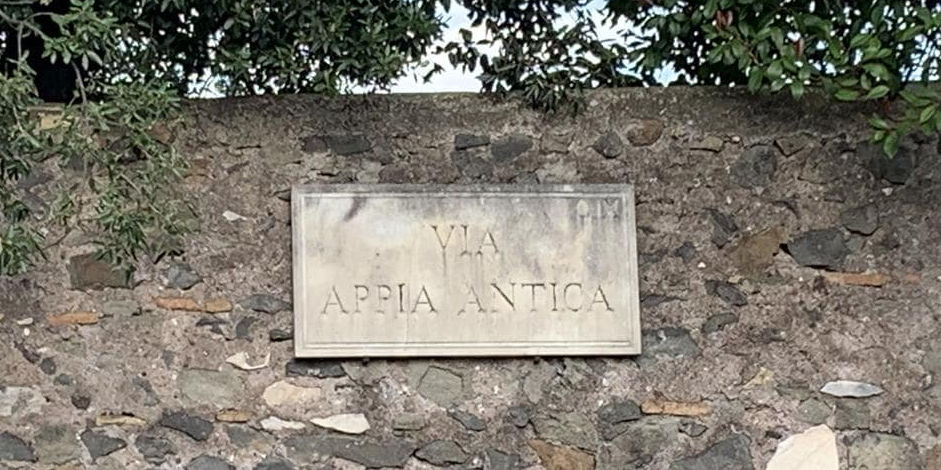
On July 27, 2024, the World Heritage Committee recognized the Via Appia Regina Viarum, declaring it the 60th Italian site on the UNESCO World Heritage List.
Built in 312 BC, this ancient road, also known as the Queen of Roads, played a fundamental role in shaping the Roman Empire. Spanning four Italian regions — Latium, Campania, Basilicata, and Puglia — the Appian Way linked Rome to Brindisi, becoming an essential trade route.
History of the Appian Way
The road was commissioned by Appius Claudius in 312 BC for military purposes, connecting Rome with the southern regions. During the Samnite wars, its strategic design allowed the Roman army to move rapidly, decisively altering the course of the conflict in their favor. Originally stretching 132 miles, it was later extended to 366 miles, reaching the Adriatic Sea.
The engineering behind the Appian Way was groundbreaking. The Romans built it straight as an arrow, overcoming obstacles with bridges and tunnels, and flanked it with the iconic Mediterranean pines for travelers’ shade.
A Road of Legends and Stories
The Appian Way carries tales of Roman history, including the legend of Spartacus, whose army of 6,000 was crucified along its path, and the Christian tradition of St. Peter, who met a vision of Christ here during his flight from Rome. Moreover, it leads to the Roman catacombs, resting places of early Christian martyrs.
Architecture and Milestones
Romans perfected road-building with layers of stones and basalt to create a smooth, durable surface. The introduction of milestones marked the distances, with the famous Miliarium Aureum in the Roman Forum symbolizing the starting point of all Roman roads. This is why it is said, “All roads lead to Rome.”


